FINANCING OPTIONS AVAILABLE FOR ALL SERVICES

BLOG
Countertop Decisions Made Easy: Choosing Between Quartz, Marble, and Granite
Posted On: October 8, 2025
Few updates change a kitchen or bathroom as dramatically as new countertops. They anchor the design, set the tone for the entire space, and influence everything from maintenance to property value. The challenge? Choosing the right material. Quartz, marble, and granite each offer unique benefits and knowing their differences helps you make a confident, informed decision.
Quartz: Consistency and Convenience
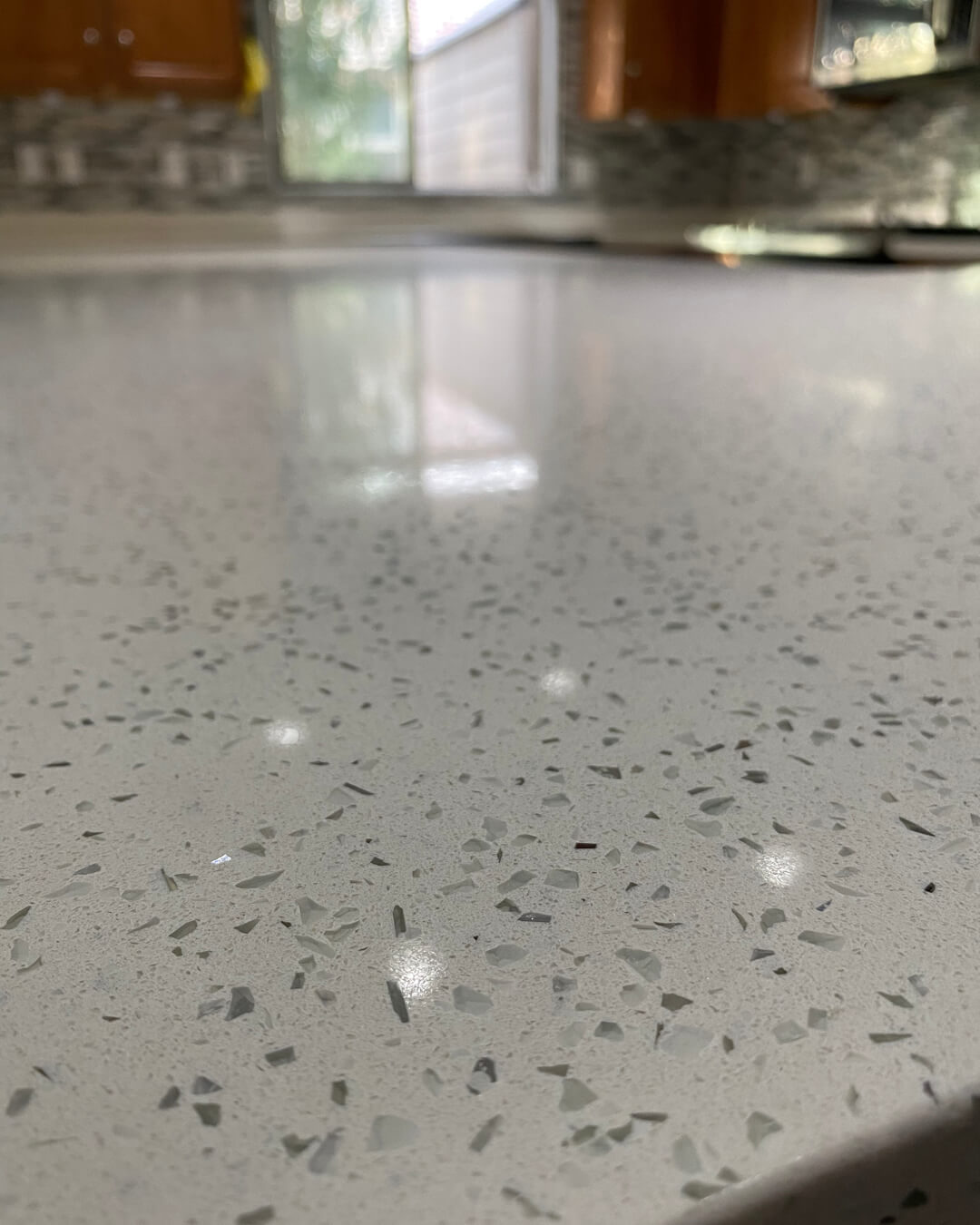
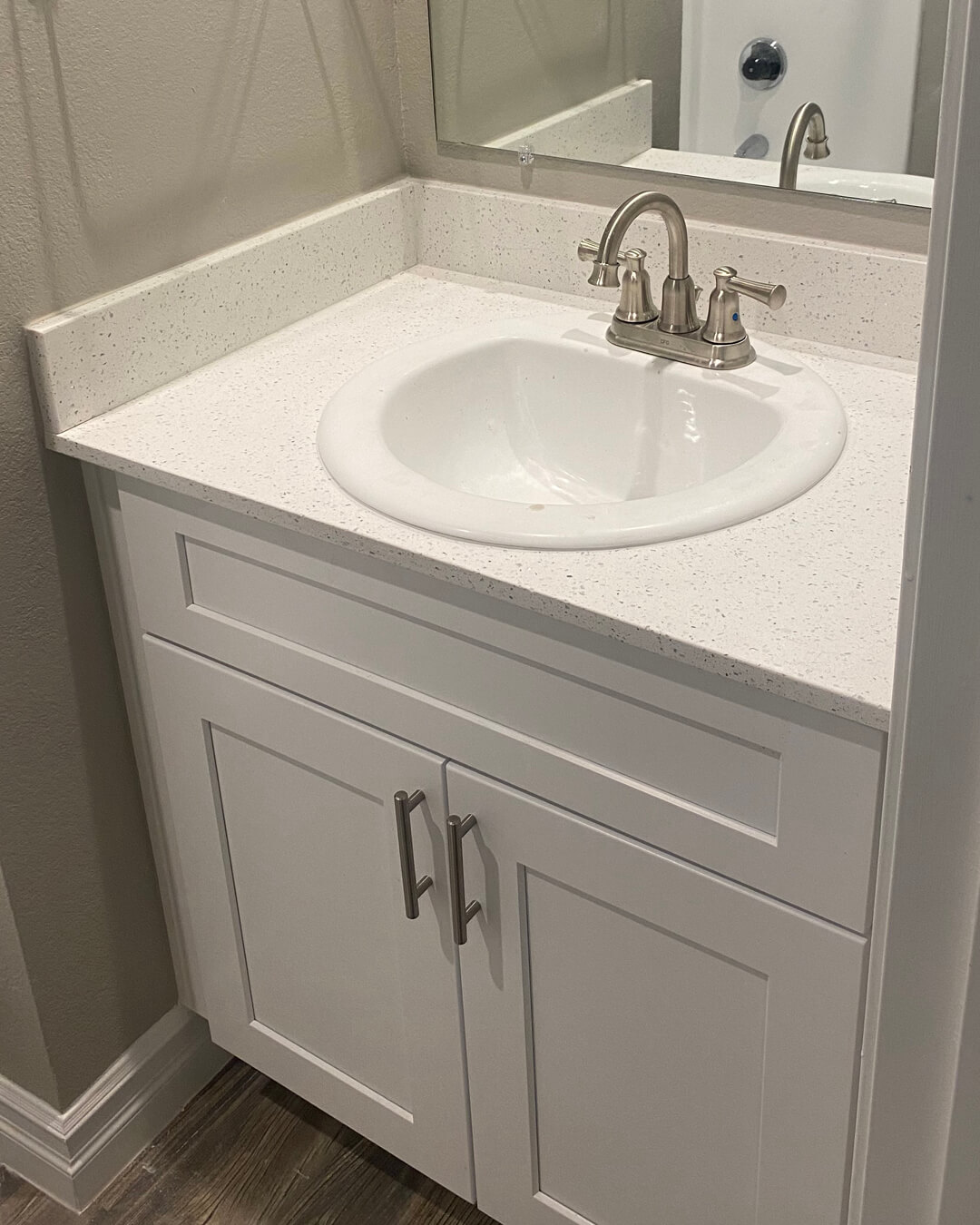
Quartz has become one of the most popular countertop materials for good reason. It’s engineered and made from natural stone combined with resins and pigments. That means it’s non-porous, durable, and incredibly consistent in color and pattern.
From a design standpoint, quartz offers a clean, modern look with predictable veining and uniform tones. It’s ideal for those who want a refined, low-maintenance surface that resists stains, scratches, and bacteria. Unlike natural stone, quartz doesn’t need to be sealed, which makes upkeep simple and reliable.
Marble: Timeless Elegance
Marble is the classic choice for luxury spaces. Each slab is a one-of-a-kind piece of natural art, with distinct veining and soft variation that brings sophistication to any room. Its cool surface makes it ideal for baking or pastry work, and it reflects light beautifully.
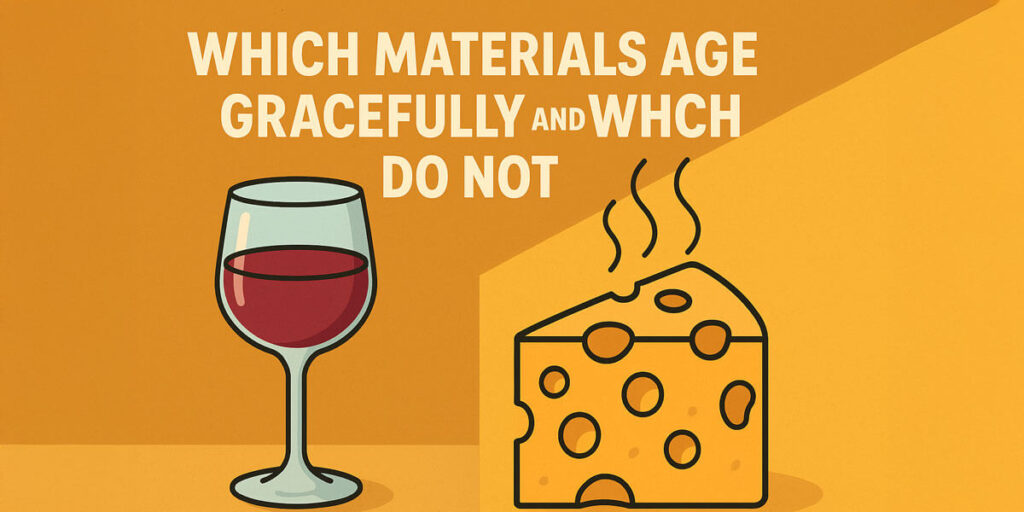
However, marble is softer and more porous than other materials. It can etch or stain if spills aren’t wiped quickly, especially acidic ones like lemon juice or wine. With proper sealing and mindful care, though, marble can age gracefully, developing a natural patina that many homeowners love.
Granite: Natural Strength and Character
Granite offers the perfect balance of durability and individuality. Quarried directly from the earth, each slab has unique mineral patterns and depth. It’s highly heat-resistant and holds up well to heavy daily use, which makes it a great choice for kitchens and high-traffic areas.
Granite does require periodic sealing to maintain its stain resistance, but when properly cared for, it can last for decades. It’s the ideal choice for those who want authentic texture, natural movement, and proven longevity.
Professional Installation Matters
No matter which surface you choose, proper installation makes all the difference. Countertops must be measured, cut, and supported precisely. Even a small error can lead to uneven seams, stress cracks, or fit issues around sinks and backsplashes.
Working with an experienced contractor ensures the job is done safely and correctly, ESPECIALLY when dealing with heavy materials like stone. A professional team will also help you prepare for the process: clearing cabinets, disconnecting plumbing, and scheduling any follow-up finish work.
How They Compare
Here’s how quartz, marble, and granite stack up across several key categories:
| Category | 1st Place | 2nd Place | 3rd Place |
|---|---|---|---|
| Durability | Granite | Quartz | Marble |
| Maintenance Ease | Quartz | Granite | Marble |
| Natural Beauty | Marble | Granite | Quartz |
| Stain Resistance | Quartz | Granite | Marble |
| Heat Resistance | Granite | Marble | Quartz |
| Price Range (General) | Quartz | Granite | Marble |
| Design Consistency | Quartz | Marble | Granite |
| Longevity | Granite | Quartz | Marble |
Note: Rankings reflect general performance trends and individual products, finishes, and sealants may shift results slightly.
The Bottom Line
Choosing between quartz, marble, and granite comes down to your priorities — low maintenance, timeless beauty, or natural durability. Each brings its own personality and advantages to the space. The key is pairing the right material with the right installer so your new countertops not only look stunning, but perform for years to come.





GET A FREE ESTIMATE
JD Lux Improvements gets the job done right. We would love to give you an estimate for the project you have in mind.